Solutions for industry
A battery run by AIESS EMS cuts the capacity fee, contracted power and peak energy costs — automatically, every 15 minutes.
- Capacity fee 2026219.40PLN/MWh
- Fee window7:00–21:59working days
- Battery planevery 15minutes
Capacity fee
Up to 219.40 PLN/MWh on energy drawn on working days 7:00–21:59. The battery takes over draw in that window and keeps the day in a cheaper factor band.
Contracted power
Short load peaks decide how much power you must contract. The battery shaves them, so you can contract less.
Energy price
On TGE-indexed contracts the battery charges in cheap quarter-hours and powers the plant in expensive ones.
PV surplus
Instead of exporting energy at a low price, the plant uses it in the evening.
Every working day in a cheaper band.
The capacity-fee factor (17, 50, 83 or 100%) depends on how much peak-window draw exceeds off-peak draw. The capacity fee is one of the optimization goals of the AIESS EMS algorithm: it keeps track of each day’s band and never lets the battery push a day into a more expensive one. That is unique on the energy storage market.
How the capacity fee works- K1 17 %
- K2 50 %
- K3 83 %
- K4 100 %
Days in K1: 9. Without a battery, 9 of 65 working days fall in band K1. With the battery: 46 of {total}.
Less contracted power, no overruns.
The calculator shows the power to contract for each month — without and with a battery. Savings from right-sizing alone are shown separately, so they are not credited to the battery.
How to set contracted powerYou send 12 months of meter data (supplier or DSO export, invoices).
We rebuild your bill: TGE prices, distribution tariff, capacity fee and contracted power.
We simulate several battery sizes hour by hour against a no-battery reference.
You get a link to the result — savings, payback and a recommendation — that you can forward.
What to prepare
- Hourly or 15-minute meter data for 12 months
- A recent energy and distribution invoice
- CSV, Excel or PDF files from your supplier or DSO
Recommended systems for a plant.
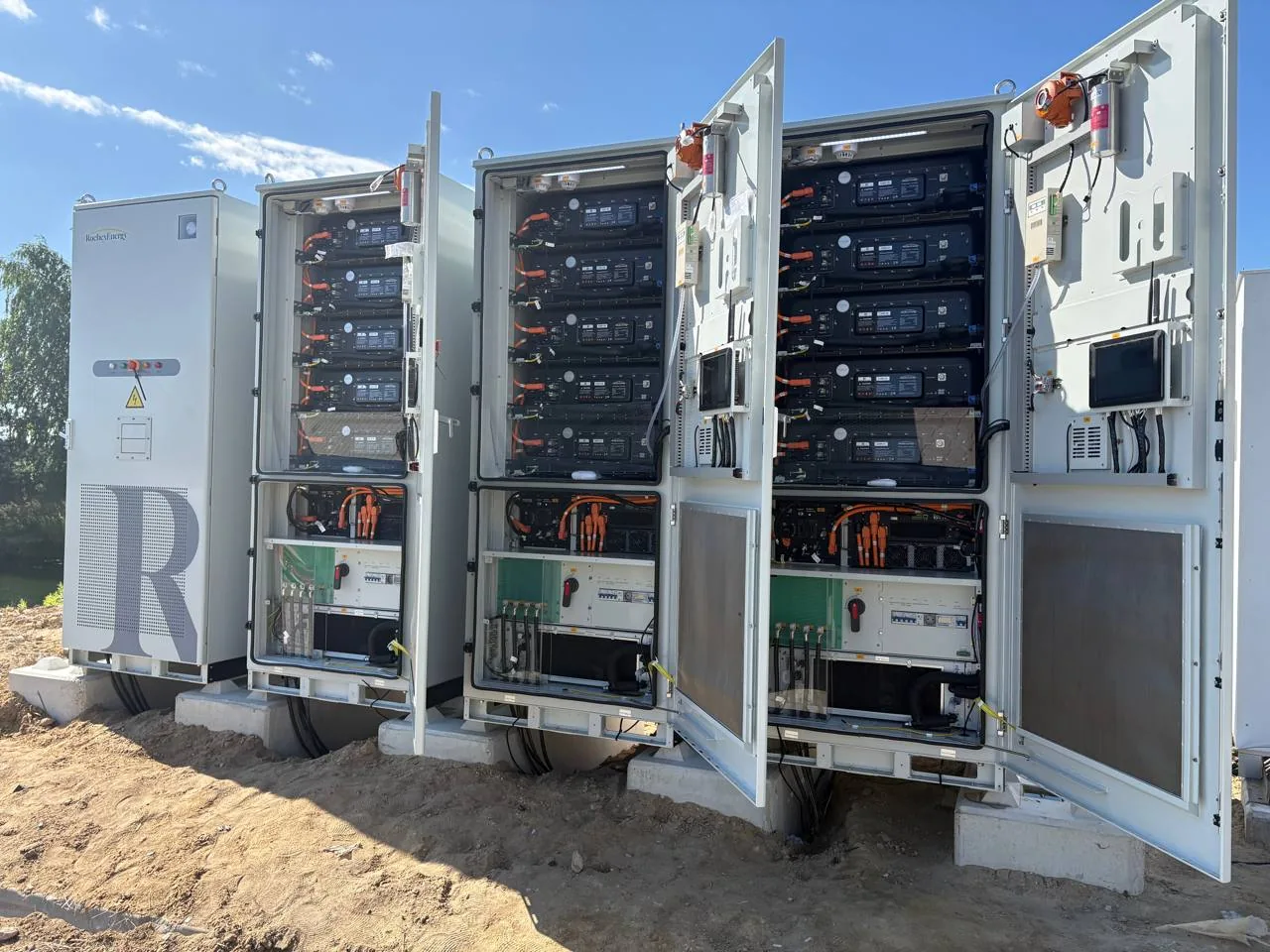
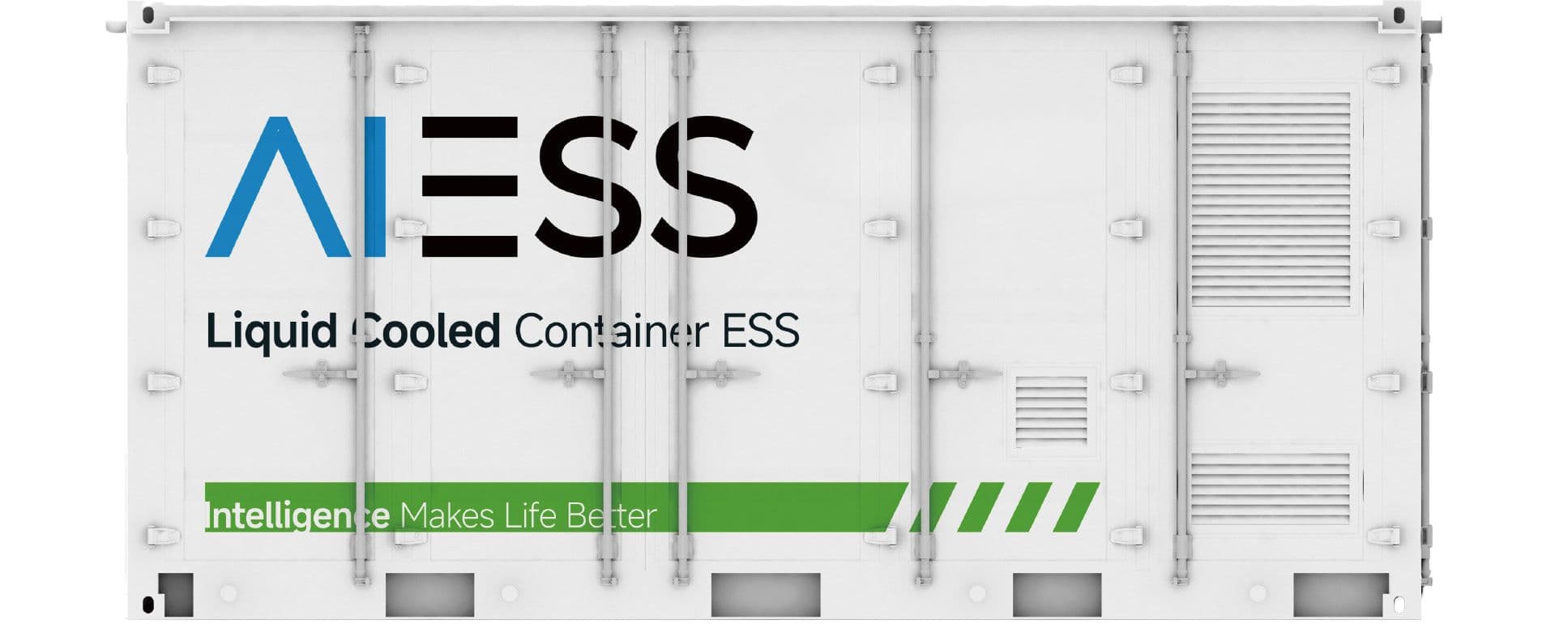
AIESS Pro 125/261 suits most plants — larger sites combine several cabinets. For large plants: AIESS Titan 1 MW / 2.09 MWh.
Compare systems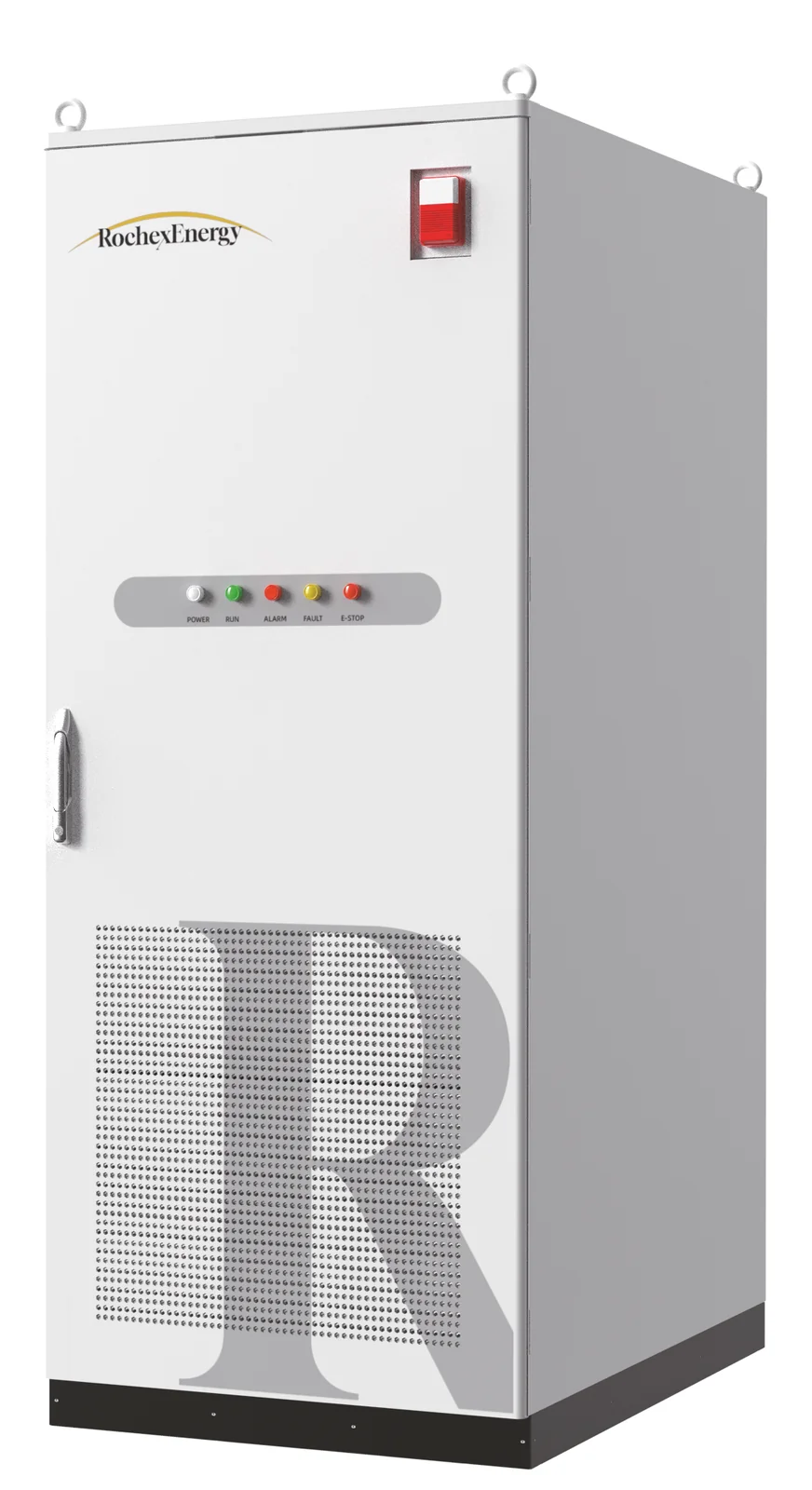
- Data analysis
- Sizing and offer
- Site survey and design
- Installation and commissioning
- Running on AI
- Service and reports
Plants drawing heavily on working days 7:00–21:59 gain the most. The calculator shows each day's factor band and how much can change.
Ideally 12 months of hourly or 15-minute meter data plus a recent invoice. We accept CSV, Excel and PDF files from suppliers and DSOs.
No. The capacity fee and contracted power apply to every contract. TGE pricing adds a third source of savings.
No. The battery sits behind the meter and never limits production. The plant draws energy as before — partly from the battery.
From analysis to commissioning usually a few months; DSO approvals take longest. The offer includes a schedule.
Don't see your question? Write to us
Upload your meter data — the calculator gives you savings and payback.